
Nagdhunga Tunnel Ready for Launch as Nepal's First Road Tunnel Nears Opening

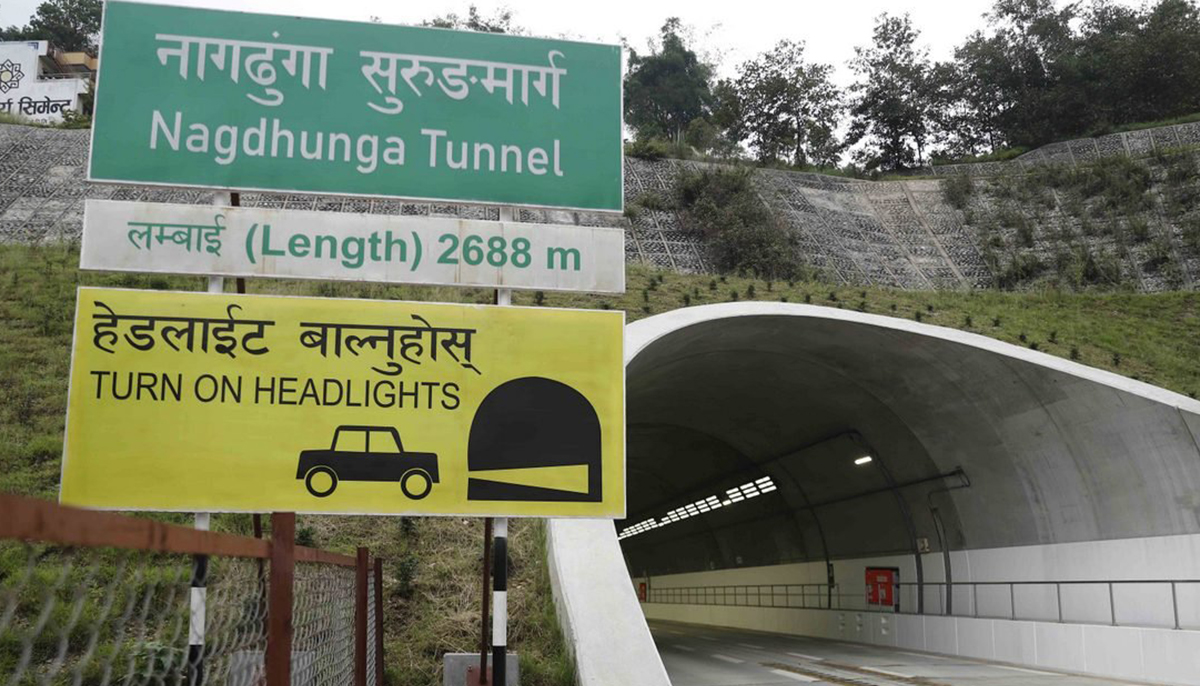
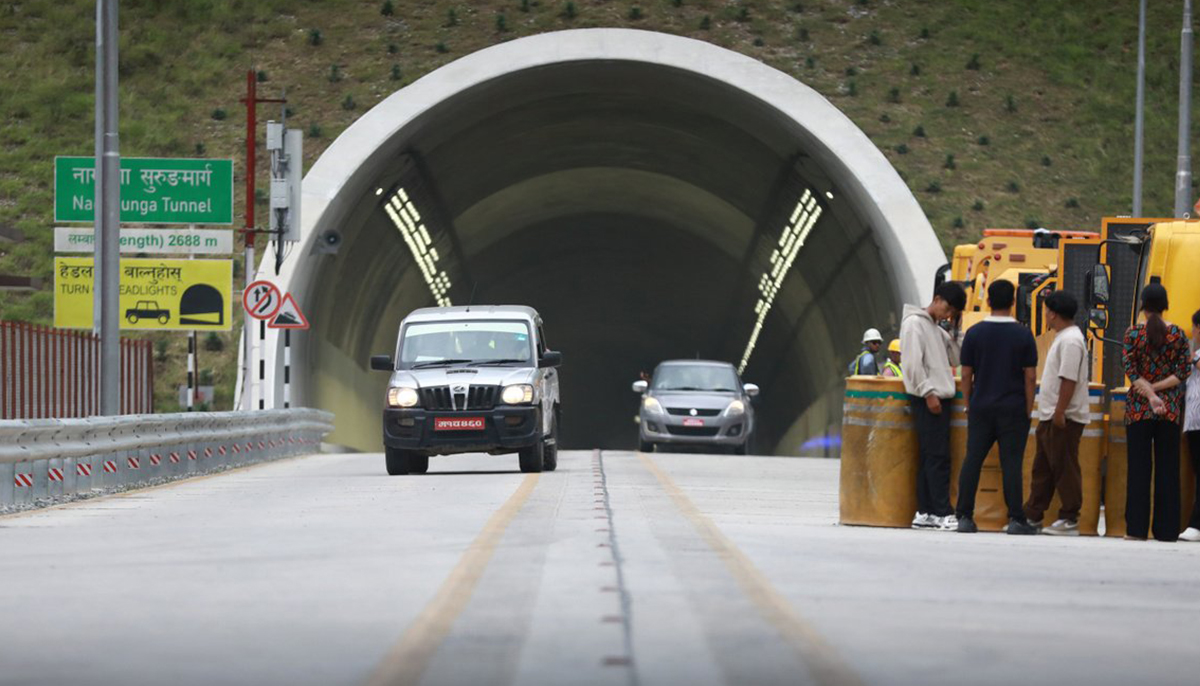
After years of construction and multiple delays, Nepal's first road tunnel has entered its final phase before opening to the public, with the Nagdhunga-Sisnekhola Tunnel expected to begin operations later this month as authorities complete the final round of technical testing and operational preparations.
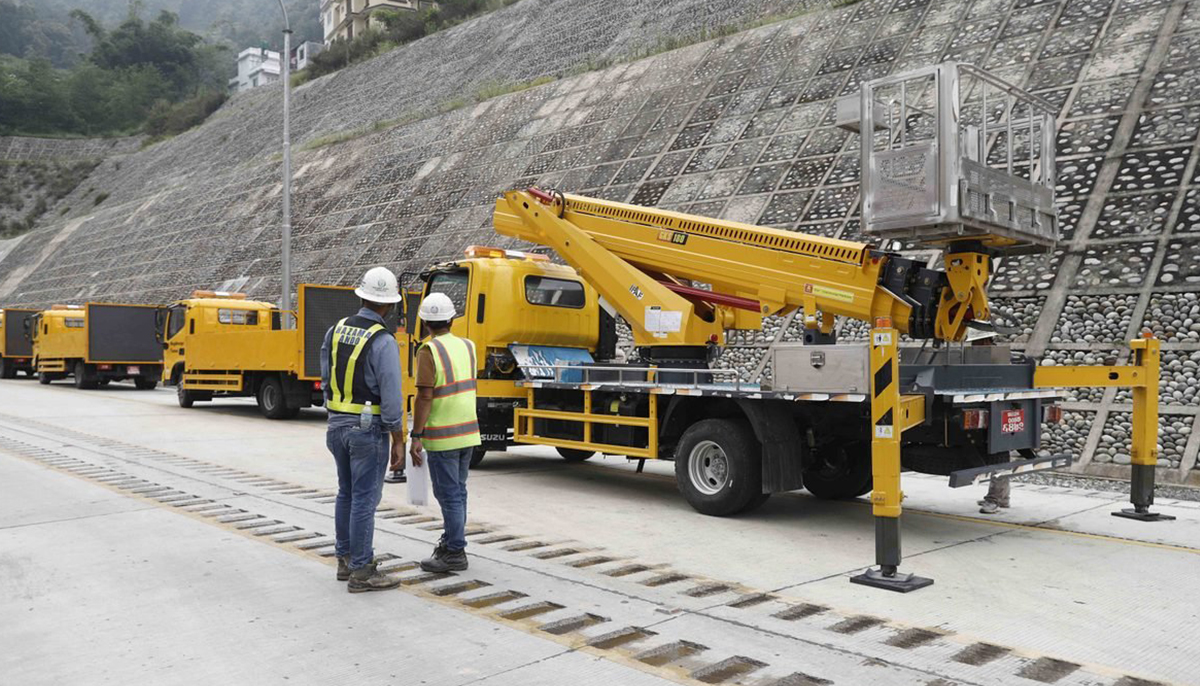
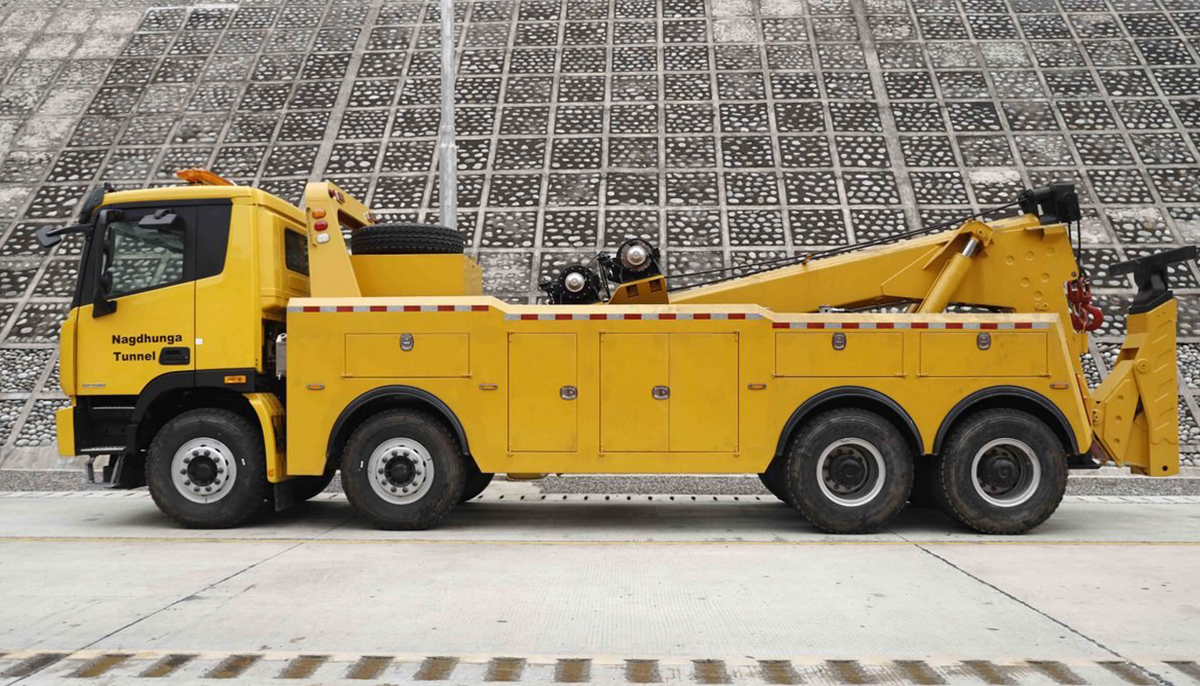
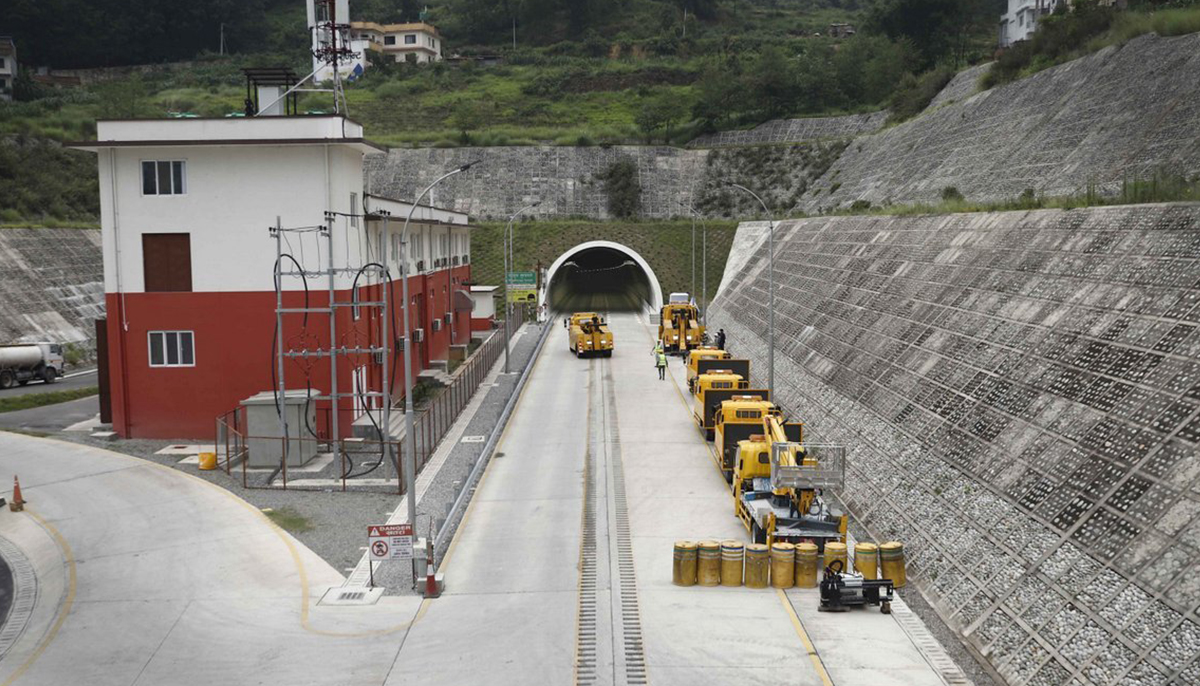
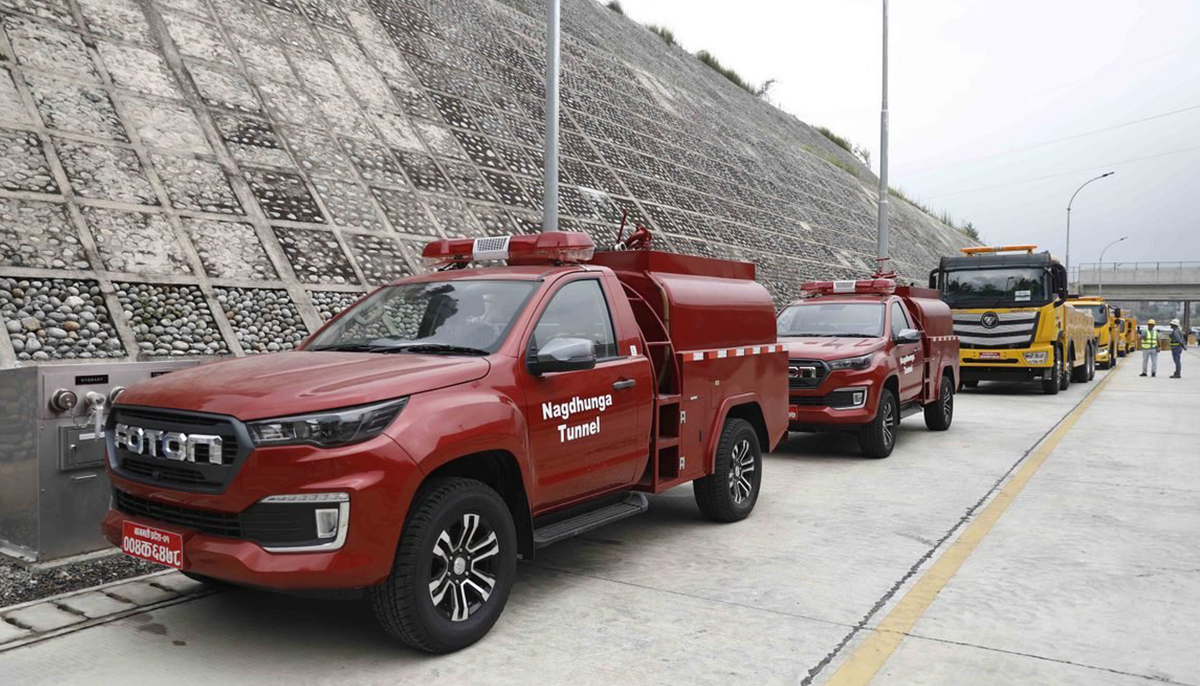
Engineers have successfully carried out performance trials of the vehicles and equipment that will be responsible for maintaining and operating the tunnel.
The exercises covered inspection vehicles, maintenance units, cleaning equipment, emergency rescue vehicles, and accident response systems, ensuring the facility is fully prepared for day-to-day operations once traffic begins flowing through the tunnel.

Final Safety and Operational Testing
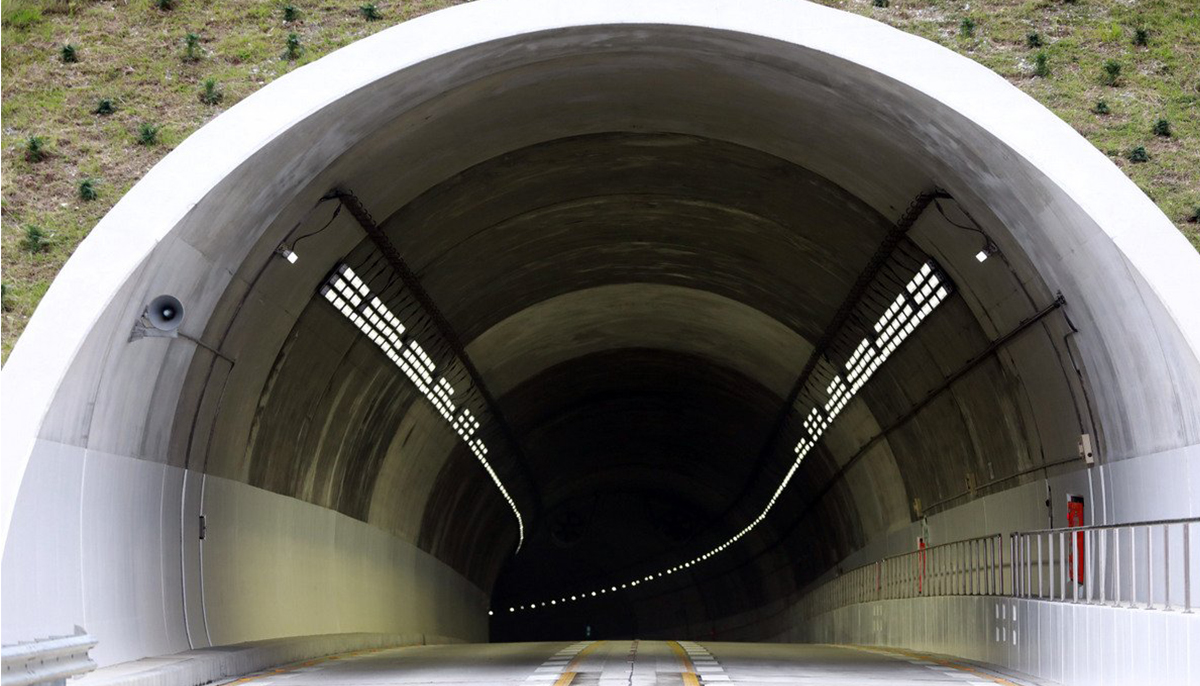
Alongside these trials, technicians are conducting comprehensive checks on the tunnel's integrated operating systems. Ventilation units, power backup, firefighting infrastructure, communication networks, CCTV surveillance, traffic monitoring systems, and other critical safety equipment are currently undergoing final testing before receiving operational clearance.
The project, which broke ground on October 21, 2019, represents one of Nepal's most significant transport infrastructure developments. Built with financial support from the Japan International Cooperation Agency (JICA) under a concessional loan agreement, the tunnel was constructed by Japan's Hazama Ando Corporation.
Although the original schedule targeted completion within 42 months, the project encountered setbacks due to the COVID-19 pandemic, land acquisition issues, technical challenges, and administrative delays.
With construction now complete, the contractor has formally handed over the facility to the Nagdhunga Tunnel Construction Project. Under the agreement, however, Hazama Ando will remain responsible for rectifying any construction-related defects that emerge during the one-year defect liability period.
Attention has now shifted to preparing the tunnel for commercial operations. Authorities are completing software installation, system integration, and staff training for personnel who will oversee traffic management, emergency response, tunnel maintenance, and toll collection.
Around 150 personnel are expected to manage the facility under a five-year operation and maintenance contract awarded to the Yusin-ART Joint Venture.
Nepal's First Fully Digital Toll Collection System
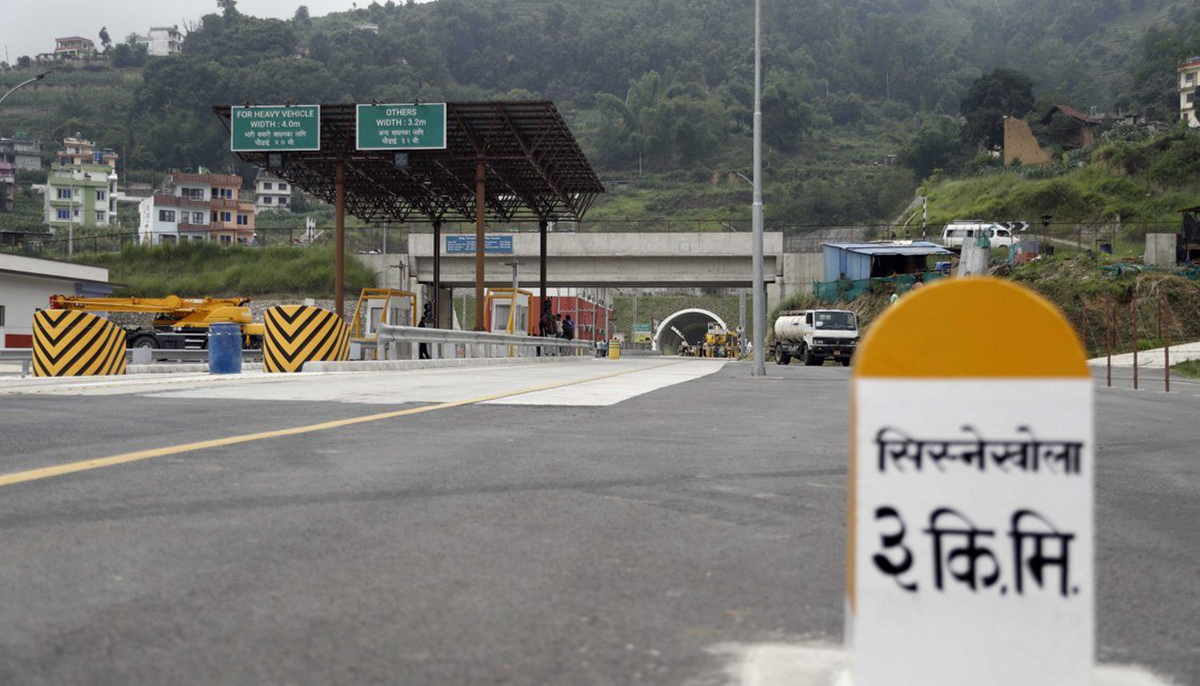
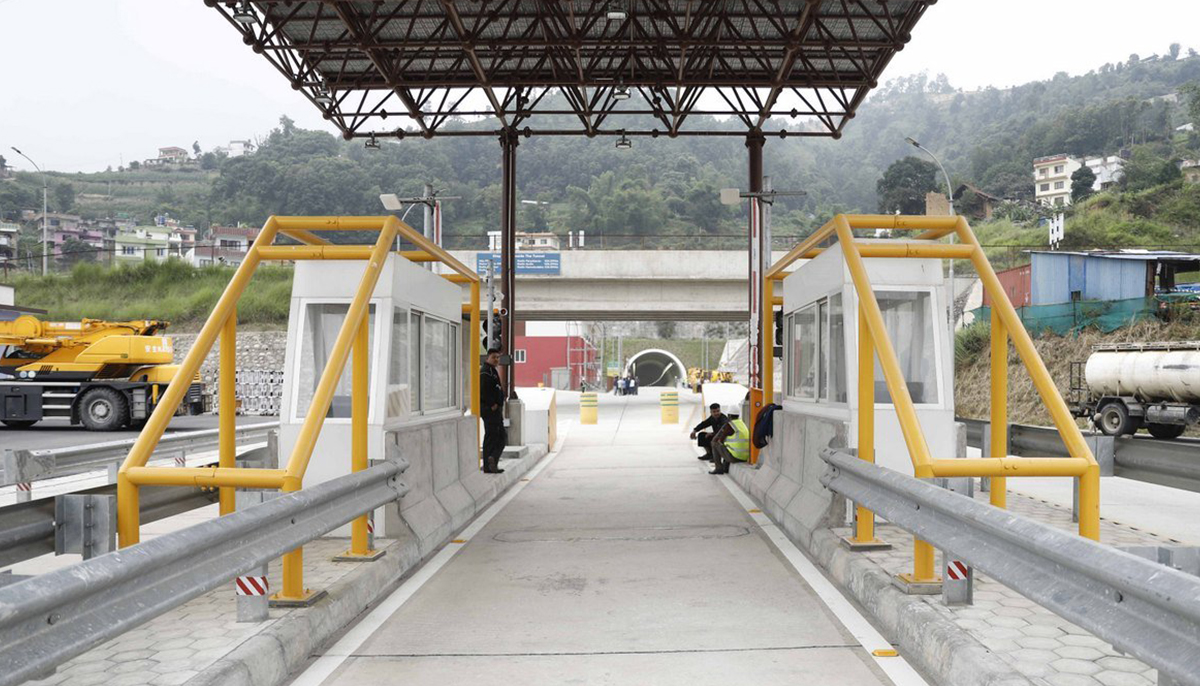
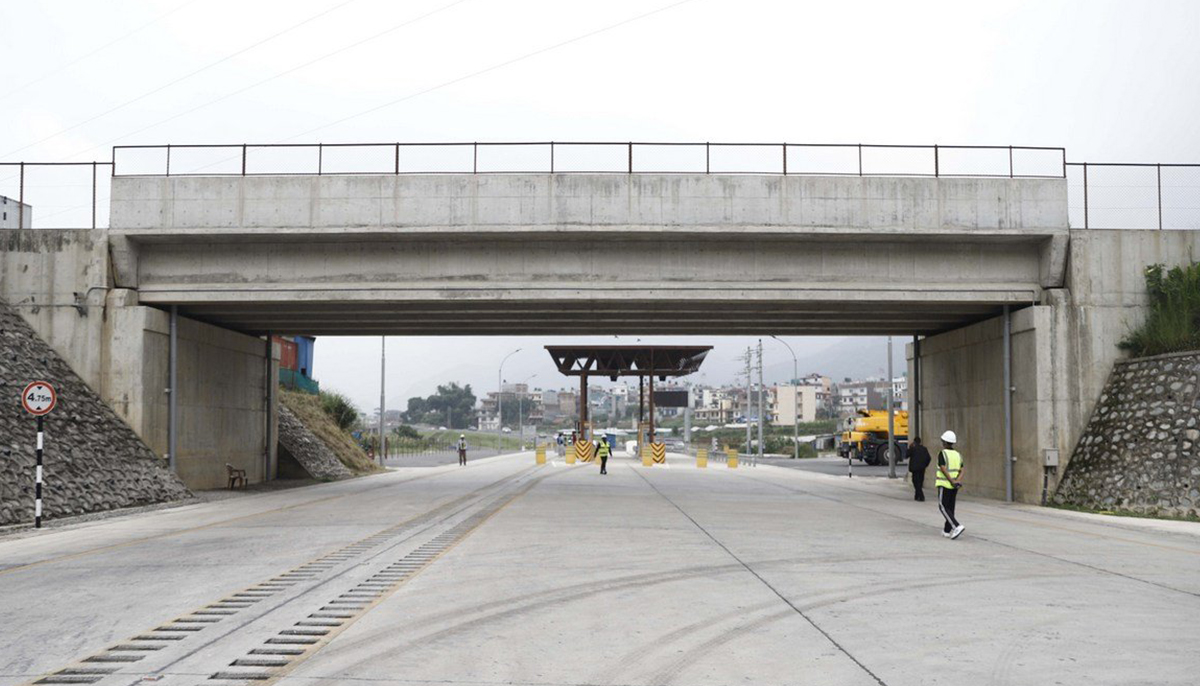
The Nagdhunga Tunnel will also introduce Nepal's first fully digital tunnel toll collection system. Regular users will be able to pay electronically using N-Tags linked to their bank accounts, allowing toll charges to be deducted automatically through RFID technology as vehicles pass electronic gates. Drivers without RFID tags will still have the option to pay using QR codes or Fonepay.
Toll Rates
The government has already approved toll rates for different vehicle categories. Passenger cars and vans travelling towards Kathmandu will pay Rs 65, while those heading towards Dhading will be charged Rs 60. Separate rates have also been fixed for minibuses, buses, trucks, and heavy commercial vehicles based on their classification.
Tunnel Design and Infrastructure
Stretching 2.688 kilometres, the main tunnel is complemented by a parallel 2.557-kilometre emergency escape tunnel designed to enhance safety during emergencies. The broader project also includes approach roads, bridges, flyovers, toll plazas, and other supporting infrastructure connecting Kathmandu and Dhading.
Traffic Restrictions and Safety Regulations
Strict traffic regulations will apply once the tunnel opens. Drivers will be required to observe designated speed limits, maintain safe following distances, remain within marked lanes, and comply with tunnel-specific operating procedures.
Motorcycles, three-wheelers, pedestrians, bicycles, and other non-motorised vehicles will not be permitted inside the tunnel. Likewise, vehicles transporting highly flammable or explosive materials, including petroleum products and LPG, will continue using the existing Nagdhunga road.
A New Era for Kathmandu Connectivity
Once opened to traffic, the Nagdhunga Tunnel is expected to significantly improve connectivity between the Kathmandu Valley and the rest of the country.
By bypassing the congestion-prone Nagdhunga section, the tunnel will help reduce travel time, improve road safety, ease chronic traffic congestion, lower fuel consumption, and cut vehicle operating costs for both commuters and freight operators, marking a major milestone in Nepal's transport infrastructure.
Photos

Omoda Jaecoo Continues Nepal Premier League Partnership for 2026


Same Same, But Different: MG and Wuling's EV Battle